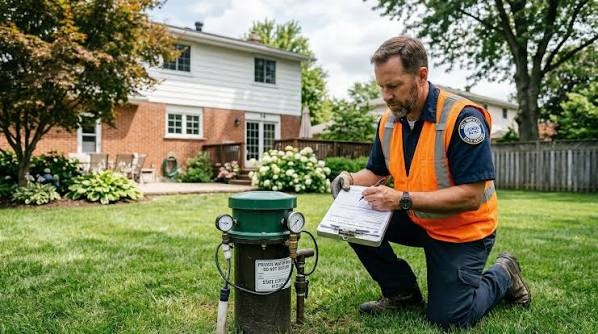
For homeowners who rely on a private well, having a dependable water supply is essential to everyday life. From drinking and cooking to bathing, cleaning, and landscaping, a private well can serve as the primary source of water for the entire property. Yet because much of the system is underground or out of sight, problems can easily go unnoticed.
A professional water well inspection can help homeowners understand the condition and performance of their private well system. For buyers, sellers, and current homeowners, this evaluation can provide valuable information before a minor concern turns into a costly repair.
A water well inspection is a professional evaluation of the accessible components and overall operation of a private well system. Depending on the scope of the inspection, it may include an assessment of the well equipment, pump, pressure system, visible plumbing connections, and other related components.
Because wells are designed to operate below ground, simply looking at the property is not enough to determine whether the system is functioning properly. A professional evaluation can help identify visible deficiencies, aging equipment, or conditions that may require additional investigation.
For homeowners purchasing a property with a private well, this information can be particularly important.
Home maintenance trends in 2026 continue to emphasize prevention rather than waiting for expensive failures. Private wells deserve the same attention as roofs, HVAC systems, electrical systems, and plumbing.
A water well inspection can help identify potential concerns before they interfere with the property's water supply.
For homebuyers, an inspection provides useful information about an important property system before closing. For sellers, identifying potential problems in advance can help reduce surprises during negotiations.
Current homeowners can also benefit from periodic evaluations, especially when equipment is aging or the property's water performance has changed.
A professional inspection may evaluate several components of the private well system.
Accessible portions of the well system can be reviewed for visible signs of deterioration, damage, or other concerns. Inspectors may also consider available information about the system's age and maintenance history.
The pump is responsible for moving water from the well into the home's water system. Pump problems can result in low pressure, inconsistent water flow, or interruptions in water service.
Understanding the approximate age and condition of the pump can help homeowners plan for future maintenance or replacement.
The pressure system helps maintain consistent water delivery throughout the property. An inspection may include accessible components such as the pressure tank, gauges, controls, and related equipment.
Unusual cycling, inconsistent pressure, or other performance concerns may indicate that additional evaluation is necessary.
Accessible pipes and connections associated with the well system can also be examined. Leaks, damaged fittings, corrosion, or other visible problems may affect system performance and should be addressed appropriately.
It is important to understand that inspecting a well system and testing the water are not necessarily the same thing.
A well can appear to operate normally while the water contains contaminants that cannot be detected through appearance, taste, or odor. Water testing can provide additional information about the quality of the water being supplied to the property.
Depending on the property and applicable requirements, testing may evaluate factors such as bacteria, nitrates, nitrites, and lead.
Homeowners may also want to evaluate characteristics such as hardness, iron, sulfur, color, or total dissolved solids when determining whether filtration or treatment may be beneficial.
Combining system evaluation with appropriate water testing can give homeowners a more complete understanding of their private water supply.
A private well does not always announce a problem immediately. However, certain changes should prompt homeowners to investigate.
Common warning signs can include:
Even if none of these symptoms are present, an inspection can still be worthwhile when buying a home or evaluating an older well system.
A private well is a major component of a home. Buyers should understand its condition and performance before committing to a purchase.
Sellers can benefit from identifying potential well-related concerns before listing. Taking care of known issues early may make the transaction smoother.
If pressure, flow, appearance, or other characteristics suddenly change, professional evaluation can help determine what may be happening.
Older pumps, pressure tanks, and related equipment may eventually require repair or replacement. An inspection can help homeowners better understand the condition of these components.
Professional evaluation is only one part of responsible well ownership. Homeowners should maintain records of inspections, repairs, pump replacements, and water testing.
The area surrounding the well should also be protected from activities that could damage equipment or introduce potential contaminants. Construction, landscaping, drainage changes, and chemical use near the well should be approached carefully.
Regular water testing can also help homeowners monitor changes in water quality over time.
Replacing or repairing well equipment can be expensive, particularly when a problem occurs unexpectedly. A professional water well inspection provides homeowners with information that can help them make better maintenance and real estate decisions.
For buyers, it can reduce uncertainty. For sellers, it can help uncover potential issues before negotiations. For existing homeowners, it can provide peace of mind and support proactive maintenance.
The goal is not simply to find problems. It is to understand the condition of an important home system and make informed decisions about its future.
Private wells are essential to many Florida properties, but their underground nature makes them easy to overlook. Regular attention can help homeowners stay informed about their water system and recognize potential concerns before they become emergencies.
Whether you are buying a home, preparing to sell, or maintaining an existing property, a water well inspection can be a valuable part of responsible property ownership.
In 2026, proactive homeowners are looking beyond the obvious features of a property. Understanding the condition of the well, pump, pressure equipment, and water supply can help protect the home's functionality and support smarter long-term decisions.

This post has been authored and published by one of our premium contributors, who are experts in their fields. They bring high-quality, well-researched content that adds significant value to our platform.










Why Entertain Me brings readers the latest entertainment news, celebrity updates, lifestyle trends, and informative stories from around the world.
