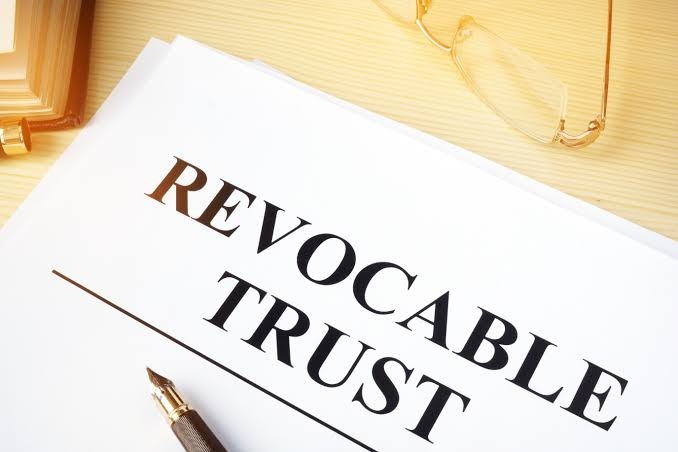
Estate planning is an important part of protecting property, supporting loved ones, and preparing for future financial decisions. Many people want to create an estate plan but hesitate because they believe professional legal services may be too complicated or expensive. Online forms, software, and educational resources have also made do-it-yourself estate planning more accessible than ever.
However, creating a trust involves more than completing a document. The type of trust, ownership of assets, beneficiary designations, trustee responsibilities, and applicable state laws can all affect whether the plan works as intended. Understanding these considerations can help individuals decide whether a do-it-yourself approach is appropriate or whether professional assistance would provide greater protection.
A trust is a legal arrangement that allows property to be managed for the benefit of designated beneficiaries. The person who creates the trust is generally called the grantor or settlor. The trustee manages the property according to the trust agreement, while beneficiaries receive benefits according to its terms.
Trusts can be revocable or irrevocable, and specialized trusts may be designed for particular estate planning objectives. Because each structure can have different legal and tax consequences, choosing the right arrangement is an important first step.
People often ask can you set up a trust without an attorney because online trust forms and estate planning software are widely available. In some circumstances, an individual can prepare a trust document without directly hiring an attorney.
However, preparing a document and creating an effective estate plan are not necessarily the same thing.
A trust needs to comply with applicable legal requirements and should accurately reflect the creator's intentions. Depending on the assets involved, additional steps may also be required to properly transfer property into the trust.
One of the most frequently overlooked aspects of do-it-yourself trust planning is funding.
Creating and signing a trust document does not automatically transfer every asset into the trust. Certain property may require changes to ownership records, while other assets may pass according to beneficiary designations.
For example, real estate may require an appropriate deed, while financial accounts may have their own procedures for changing ownership. Failing to coordinate these assets can undermine some of the intended benefits of the trust.
Not every family needs the same type of trust. A revocable living trust may be appropriate for certain individuals seeking flexibility and continuity in asset management, while an irrevocable trust may serve very different objectives.
There are also specialized arrangements for charitable giving, special needs planning, asset management, and other circumstances.
Choosing a trust based solely on an online template can create problems if the document does not match the individual's actual goals.
Estate planning is affected by state law, and Florida has specific rules concerning property, homestead, probate, trusts, and other estate matters.
Florida homestead property, in particular, can involve special constitutional and statutory considerations. A person creating a trust should therefore consider how Florida law applies to the assets and family circumstances involved.
An online document designed for a different state may not adequately address Florida-specific requirements.
The trustee has important responsibilities after a trust becomes operational. These may include managing assets, maintaining records, making permitted distributions, communicating with beneficiaries, and following the terms of the trust.
Choosing a trustee should therefore be approached carefully. A family member may be appropriate in some circumstances, while a professional fiduciary or corporate trustee could be considered for more complicated arrangements.
The trust should also identify an appropriate successor trustee in case the original trustee cannot continue serving.
A trust is only one part of an estate plan. Retirement accounts, life insurance policies, and certain financial accounts may pass according to beneficiary designations.
If beneficiary forms conflict with the overall estate plan, the intended distribution may not occur as expected.
Reviewing beneficiary designations alongside wills and trusts is therefore an important part of comprehensive planning.
Some people assume that establishing a trust eliminates the need for a will or other documents. In reality, a comprehensive estate plan may include a will, durable power of attorney, healthcare documents, beneficiary designations, and other planning tools.
A pour-over will, for example, may be used in certain trust-based estate plans to address assets that were not transferred into the trust during the creator's lifetime.
Each document serves a different purpose, so they should be coordinated rather than treated as separate pieces.
A trust is not automatically a way to eliminate taxes. Different trust structures can receive different tax treatment, and transferring certain assets may have financial consequences.
Income generated by trust property, investment gains, estate tax considerations, and other issues may need to be evaluated depending on the circumstances.
Individuals with substantial assets or complicated financial arrangements should understand the potential tax implications before implementing a trust strategy.
A do-it-yourself approach may appear straightforward when an estate is small and uncomplicated. However, professional guidance can become particularly valuable when an individual owns multiple properties, operates a business, has a blended family, owns significant investments, or has complicated beneficiary arrangements.
Professional assistance may also help identify problems that are difficult to recognize when using a generic document.
An estate planning professional can review the entire plan rather than focusing only on the trust document itself.
Estate planning should not necessarily be treated as a one-time task. Major life changes can affect an existing plan.
Marriage, divorce, births, deaths, property purchases, business changes, retirement, and significant changes in wealth can all create reasons to review estate documents.
Beneficiary designations and trust funding should also be checked periodically to ensure that the plan continues to reflect current intentions.
For individuals wondering can you set up a trust without an attorney, the answer depends on the circumstances and the complexity of the estate plan. A person may be able to create certain trust documents independently, but that does not guarantee that the resulting plan will accomplish every intended objective.
The most important question is not simply whether a person can prepare paperwork without legal assistance. It is whether the completed estate plan is legally appropriate, properly funded, coordinated with other documents, and capable of achieving the desired result.
Creating a trust independently may be possible in some situations, but estate planning involves more than signing a document. Asset ownership, Florida-specific rules, beneficiary designations, trustee responsibilities, tax considerations, and related documents can all affect the outcome.
For straightforward estates, educational resources may provide a useful starting point. For families with significant assets or complicated circumstances, professional guidance can provide valuable protection against avoidable mistakes. A carefully coordinated estate plan can give individuals greater confidence that their property and instructions will be handled according to their wishes in the future.

This post has been authored and published by one of our premium contributors, who are experts in their fields. They bring high-quality, well-researched content that adds significant value to our platform.











Why Entertain Me brings readers the latest entertainment news, celebrity updates, lifestyle trends, and informative stories from around the world.