Buying a home is one of the biggest financial decisions most people make. While location, price, layout, and appearance are important, the condition of the property should never be overlooked. A house can look excellent during a showing while still having issues involving the roof, plumbing, electrical system, HVAC equipment, drainage, or other components.
A professional home inspection before buying gives prospective buyers an opportunity to learn more about the condition of the property before completing the purchase. By understanding observable concerns and potential maintenance needs, buyers can make better-informed decisions and prepare for future homeownership expenses.
A real estate listing typically highlights the property's most attractive features, but it cannot provide a complete picture of every component. Some problems are difficult to recognize without professional experience or inspection equipment.
A residential inspection may identify observable conditions involving:
The purpose is not to make a home appear perfect or imperfect. Instead, an inspection provides useful information about its condition at a particular point in time.
The scope of an inspection depends on the property and the inspection agreement. A professional generally examines accessible and visible components throughout the home.
The roof protects the property from weather and moisture. Inspectors may look for visible deterioration, damaged materials, flashing concerns, drainage problems, and other conditions that may require attention.
Roof repairs or replacement can be expensive, making information about the roof particularly valuable to buyers.
An inspection may include accessible electrical panels, outlets, switches, wiring, and other components. Inspectors look for observable conditions that may represent safety concerns or require further evaluation.
When specialized electrical work is needed, buyers should consult a qualified electrician.
Leaks and plumbing deficiencies can lead to water damage if they remain unresolved. Inspectors may examine accessible pipes, fixtures, water heaters, and drainage components.
Identifying a concern before closing gives buyers more time to understand its potential significance.
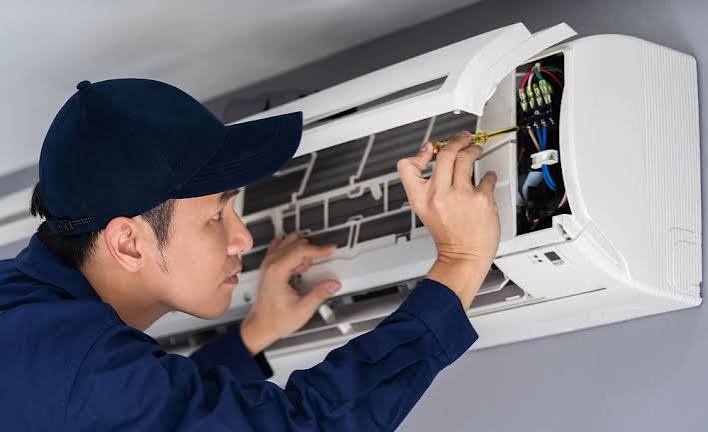
Heating and cooling systems can represent a substantial future expense, particularly when equipment is older. An inspection may document the visible condition and operation of accessible components.
Buyers can use this information to plan maintenance or anticipate future replacement costs.
The purchase price is not the only expense associated with homeownership. Buyers should also consider maintenance, repairs, insurance, utilities, and eventual system replacements.
An inspection report can help identify components that may require attention in the near or long term.
For example, a buyer may discover that:
Knowing about these conditions can help buyers prepare a realistic homeownership budget.
Inspection findings can also become useful during negotiations. Depending on the purchase agreement and circumstances, buyers and sellers may discuss repairs, credits, or other solutions after inspection findings are reviewed.
A professional report provides documented observations that can make these conversations more productive.
However, buyers should avoid assuming that every inspection finding requires a seller repair. Some items are normal maintenance concerns, while others may be more significant. The appropriate response depends on the condition, cost, safety implications, and transaction terms.
New construction may contain modern materials and systems, but that does not guarantee that every component was installed perfectly. Construction involves multiple contractors and trades, and observable defects can occasionally occur.
A professional inspection can help identify potential concerns involving:
For new homeowners, identifying concerns early may allow them to communicate with the builder and address applicable warranty items.
A general home inspection provides broad information, but some properties may require specialized evaluations based on their characteristics or location.
Depending on the property, buyers may consider:
Specialized inspections can provide additional information that falls outside the scope of a standard residential inspection.
Water-related problems deserve particular attention because moisture can affect many parts of a property. Roof leaks, plumbing failures, poor drainage, and damaged windows can allow water to enter the home.
Potential warning signs include:
If an inspector identifies signs that may indicate moisture intrusion, additional investigation may be recommended.
Inspection professionals increasingly use technology to supplement traditional visual evaluations. Depending on the inspection scope, tools may include moisture meters, thermal imaging cameras, digital reporting systems, and other equipment.
These technologies can help identify areas that deserve closer attention and provide useful documentation through photographs and measurements.
Technology is most valuable when combined with professional knowledge and careful interpretation.
Buyers should take time to select an experienced inspection professional rather than choosing solely based on price.
Before scheduling an inspection, consider:
A clear understanding of the inspection process can help buyers know what to expect.
In 2026, homebuyers are increasingly focused on making informed financial decisions. Understanding a property's condition can help reduce uncertainty and provide a clearer picture of future maintenance responsibilities.
A professional home inspection before buying can give buyers valuable information about accessible systems and components before they commit to a property. It can also help them plan repairs, request additional evaluations, and develop a realistic ownership budget.
Buying a home should be an exciting experience, but it is important to approach the decision with accurate information. A property's appearance tells only part of the story.
A professional home inspection before buying can help buyers understand observable conditions, identify potential maintenance concerns, and make more confident decisions. While no inspection can predict every future problem, it provides an important opportunity to learn more about a property before completing the purchase.
For homebuyers in 2026, investing in professional inspection information can be one of the smartest steps toward responsible and confident homeownership.

This post has been authored and published by one of our premium contributors, who are experts in their fields. They bring high-quality, well-researched content that adds significant value to our platform.










Why Entertain Me brings readers the latest entertainment news, celebrity updates, lifestyle trends, and informative stories from around the world.